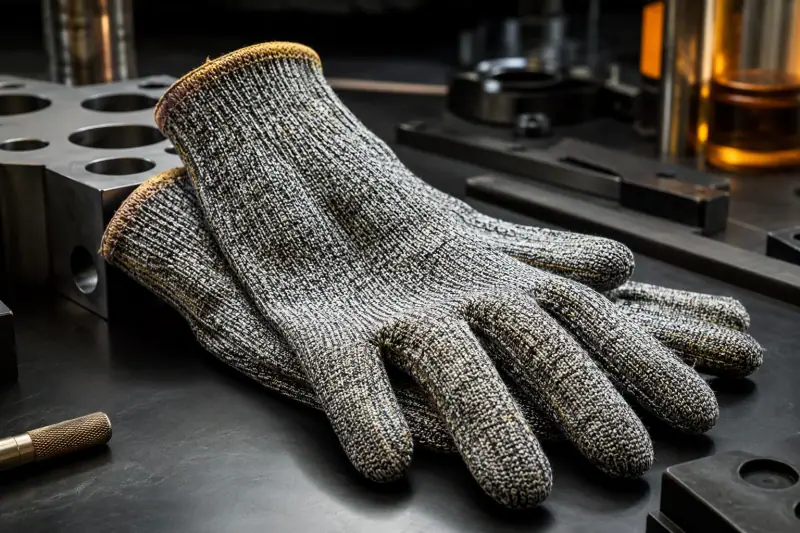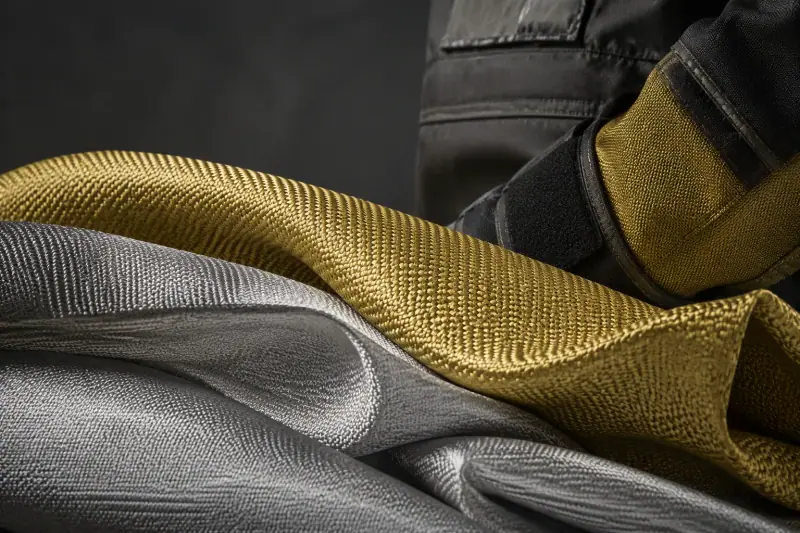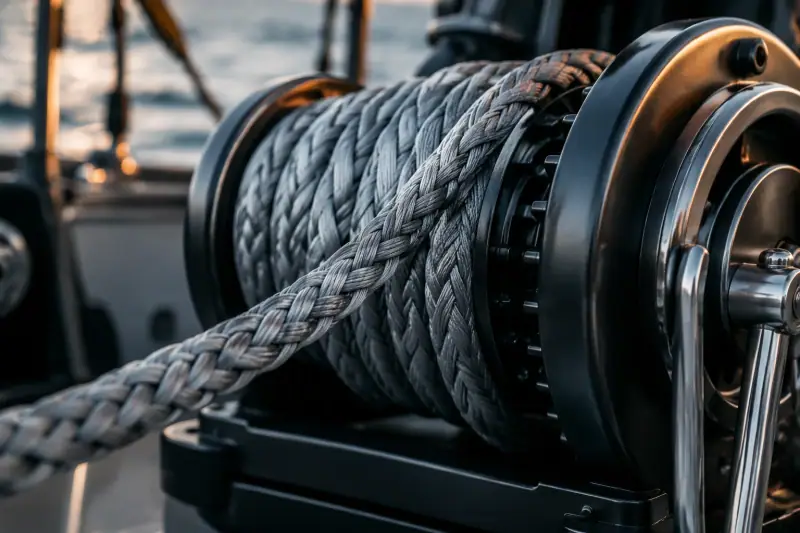
The backbone of a friction compound
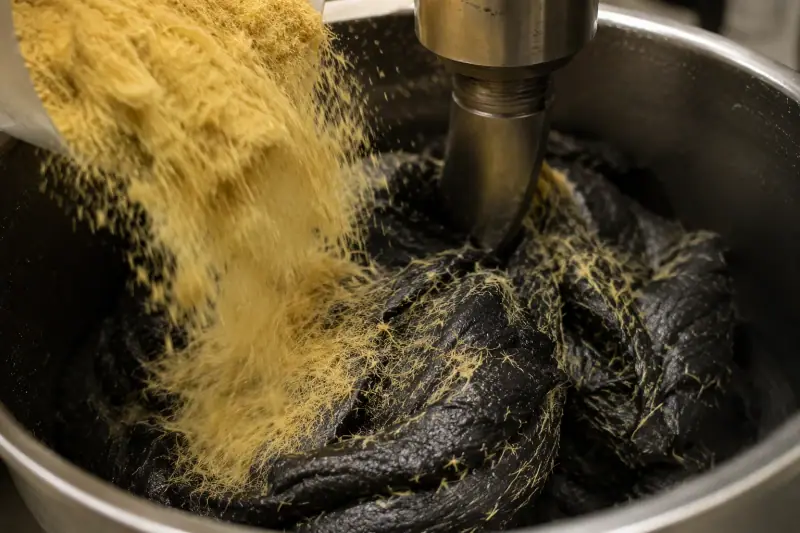
Fibrillated pulp holds the compound components together, increases green strength and keeps the lining structure stable at high friction temperatures.
Aramid pulp for brakes and clutches
Para-aramid pulp and short fibre reinforce friction compounds: brake pads and linings, clutch facings and brake bands. The fibre holds the compound structure under heat, reduces wear and replaces asbestos.
01 — ROLE IN THE PRODUCT
The material is selected by its function in the structure. The same product may require different fibres depending on the environment and load.
Fibrillated pulp holds the compound components together, increases green strength and keeps the lining structure stable at high friction temperatures.
02 — APPLICATIONS
Cars, trucks and special vehicles: a stable friction coefficient and lower wear.
Reinforcing the friction layer for heat and cyclic loads.
Lifting equipment, railway transport and industrial brakes.
Para-aramid as the main reinforcing component instead of asbestos.
04 — CATALOGUE GUIDE
A starting point for a technical inquiry, not a ready-made pilot specification.
05 — SELECTION AND PILOT
The more precise the inputs, the fewer unnecessary samples and the faster the comparison with the incumbent material.
Record the answer in the technical specification together with the control material, pilot volume, test method and acceptance criteria.
Record the answer in the technical specification together with the control material, pilot volume, test method and acceptance criteria.
Record the answer in the technical specification together with the control material, pilot volume, test method and acceptance criteria.
Record the answer in the technical specification together with the control material, pilot volume, test method and acceptance criteria.
Next step
Open the inquiry form and specify the product, requirements and approximate pilot volume. Lab-test samples are free.